



Why Your Industrial Robots Keep Alarming & Stopping — You're Doing Maintenance Wrong
Most factory robots don't die from hard work — they die from neglect. Here's a practical, cycle-based maintenance guide you can put on the shop floor today.
Run the line non-stop. Maintain "whenever." Fix faults with a restart. It looks like you're saving maintenance hours — until the alarms, overheating, oil leaks, servo errors, and sudden stoppages start stacking up. The final repair bill? Far higher than what proper upkeep would have cost.
If you want your industrial robots to run stable, high-output, longer, and with less downtime risk, it comes down to one thing: standardized, cycle-based maintenance.
Below is a universal industrial robot maintenance cycle table — daily / weekly / monthly / quarterly / semi-annual / annual — that plant managers, equipment maintenance leads, and production supervisors can save and apply immediately. Suitable for welding, material handling, palletizing, painting, and machine-tending robots across all major brands (FANUC, ABB, KUKA, YASKAWA, and more).
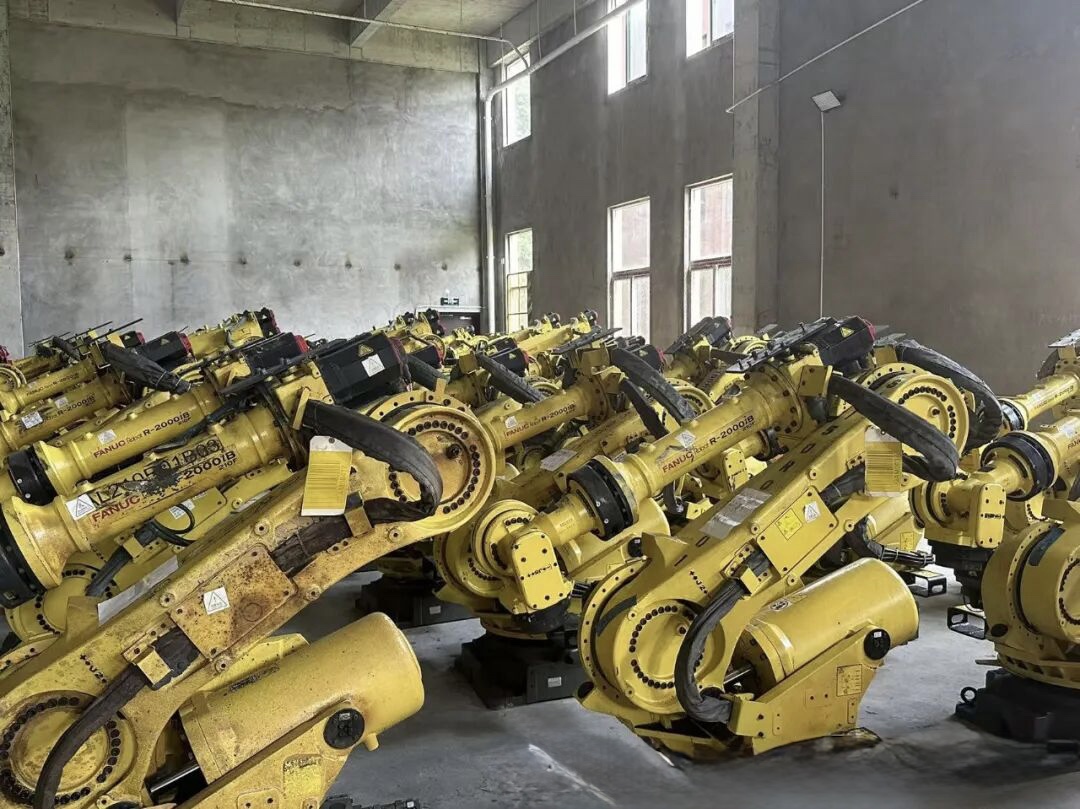
First, the Core Purpose of Robot Maintenance
No fluff — just the three things factories care about most:
- Catch hidden faults early — prevent sudden stoppages caused by overheating, dust buildup, loosening, or poor lubrication.
- Guarantee repeatable precision — stop joint wear and growing clearance from causing position drift, offset, uneven welds, or unstable gripping.
- Cut maintenance costs dramatically — small, regular servicing prevents expensive damage to boards, motors, gearboxes, and cables.
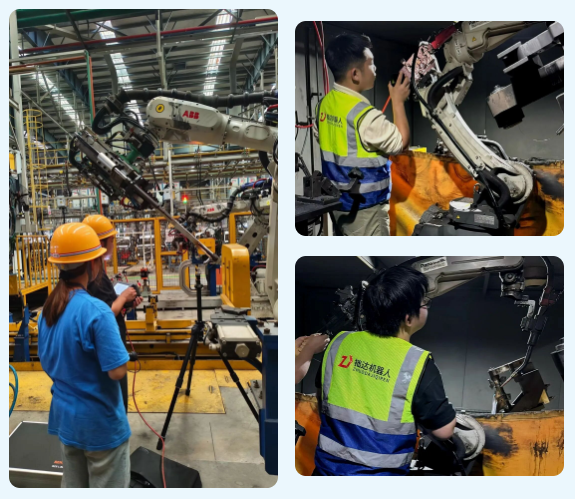
The Complete Industrial Robot Maintenance Cycle Table
Applicable to welding, handling, palletizing, painting, and machine-tending robots across multiple brands.
| Frequency | Key Tasks | Why It Matters |
|---|---|---|
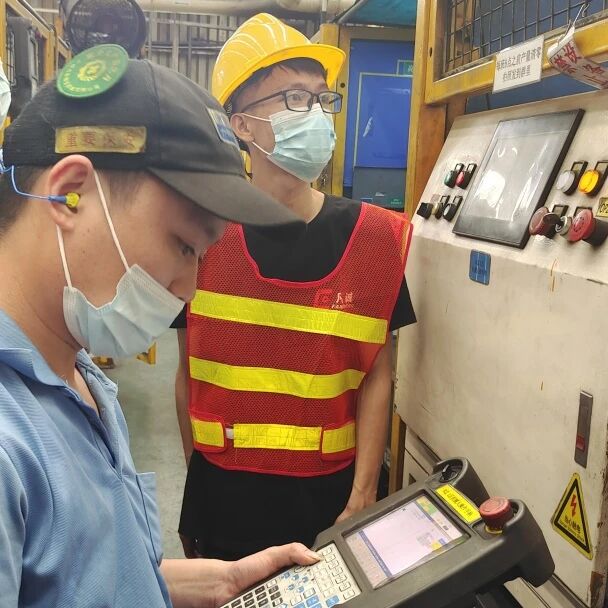
| Daily | Visual walk-around — check for oil leaks, loose cables, abnormal noise; confirm no error alarms at start-up; verify teach pendant responsiveness; check gripper / end-effector function. | Catches the obvious before the shift begins; prevents running a robot that's already signaling trouble. |
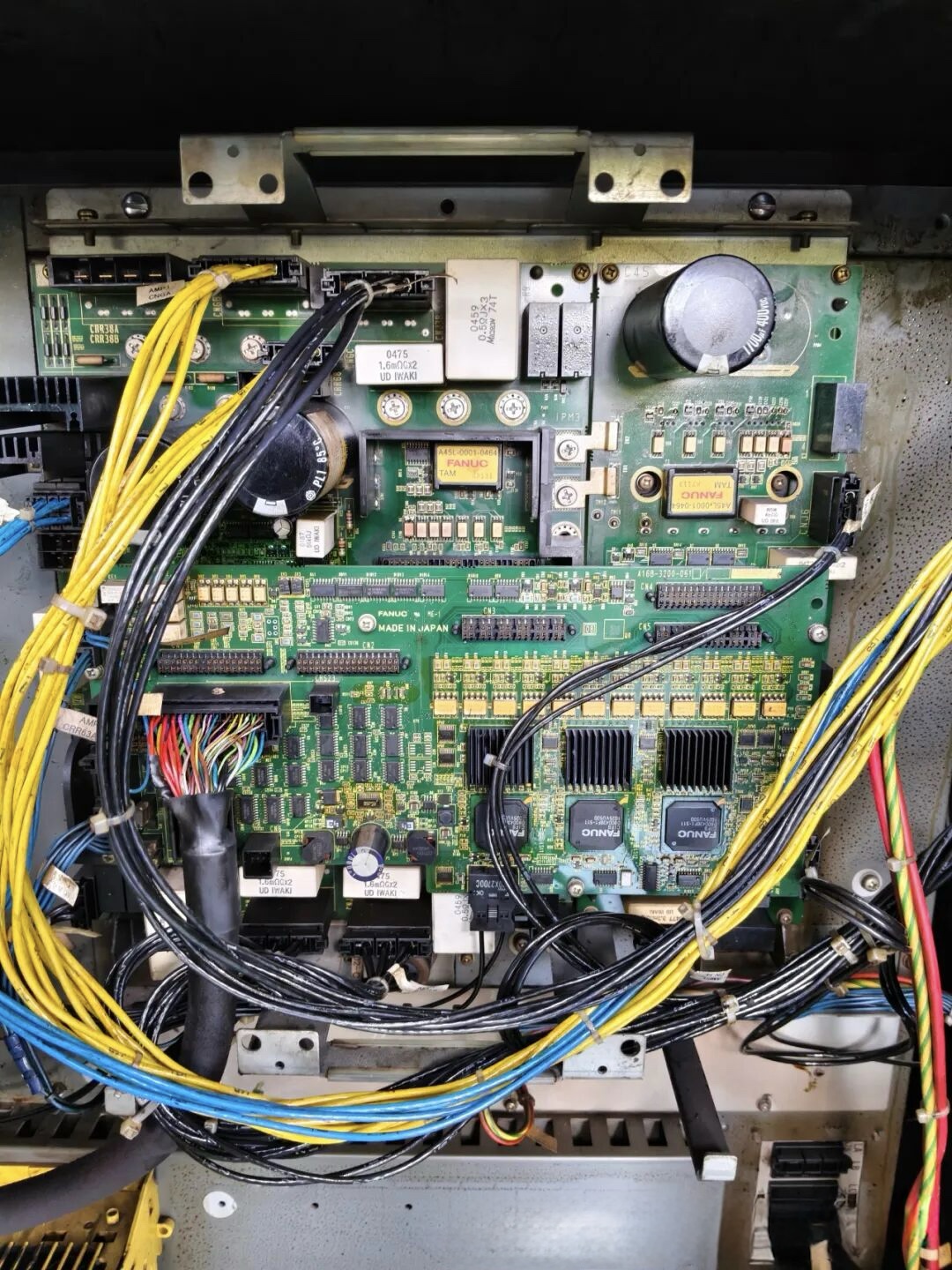
| Weekly | Clean controller cabinet ventilation and fan filters; remove metal shavings/dust from air channels; wipe down robot wrist and joints; check cable drag chains for wear; inspect axis movement smoothness. | Overheating and controller alarms are the #1 preventable fault — almost always caused by blocked cooling and dust buildup. |
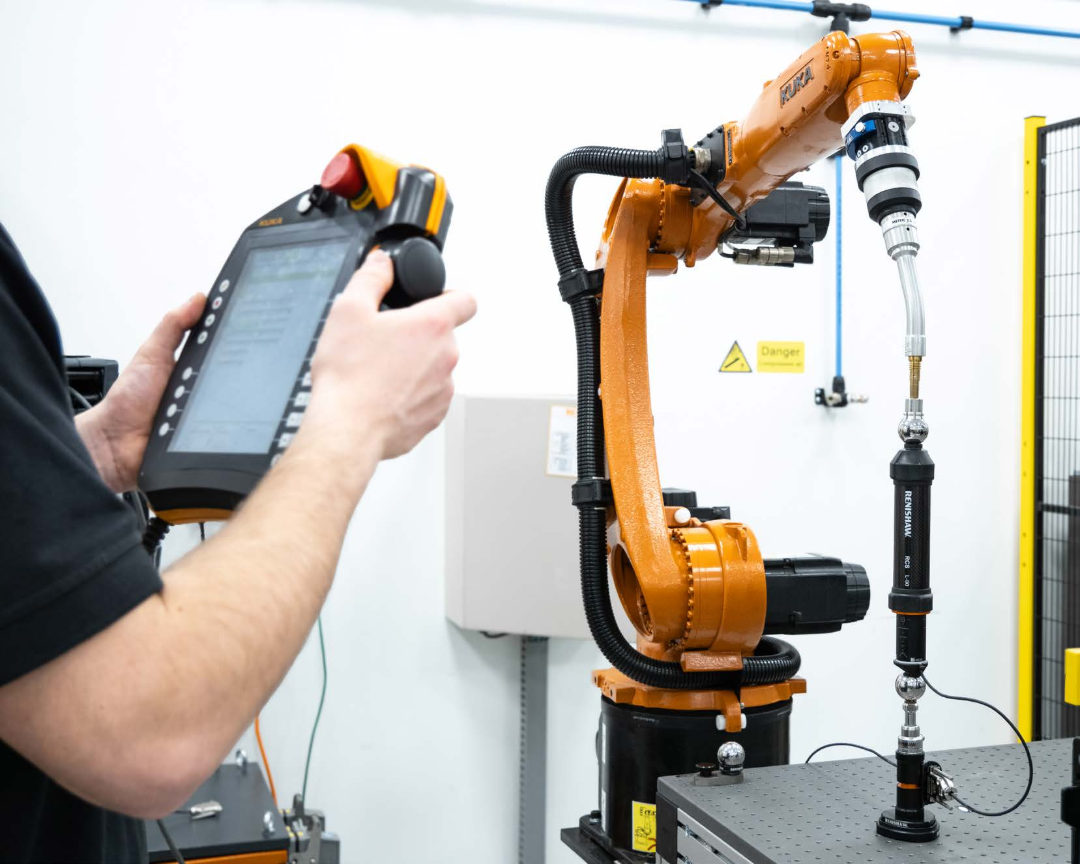
| Monthly | Tighten terminal blocks and wiring connections; check encoder battery voltage; inspect tool changer and end-effector backlash; verify position repeatability with a test point; log any drift. | Loose wiring and battery drop cause phantom errors and "reset-to-recover" cycles; precision drift is silent but costly. |
| Quarterly | Deep clean controller cabinet interior; inspect contactors and relays; check gearbox oil level and condition (top up if low); grease exposed grease fittings; verify axis zero-position calibration. | Quarterly is the sweet spot for catching mid-wear components before they cascade into major failures. |
| Semi-Annual | Perform precision calibration and axis mastering; sample and analyze gearbox oil; replace lubricant on axes showing degradation; check reducer backlash; inspect internal harnesses for chafing. | Joint wear and lubricant aging show up as position inaccuracy, jitter, and abnormal joint noise — address before the gearbox fails. |
| Annual | Full gearbox oil change per OEM spec; replace controller and encoder batteries; back up all programs and parameters; full precision recalibration; inspect/replace worn cables and teach pendant; review full maintenance log for trend analysis. | The annual service is your reset button — it locks in precision, protects your program library, and extends total machine life. |
Print this table, post it at the robot cell, and pair it with a simple maintenance log. A cycle without a record is no cycle at all.
Common Faults = Maintenance Gaps
Match your shop-floor symptoms to the likely root cause:
1. Controller noise, overheating, frequent alarms
Root cause: long-term dust buildup, blocked fans, poor heat dissipation, iron shavings clogging the air path.
Fix: weekly dust clearing, monthly wiring tightening, quarterly deep cabinet clean.
2. Position inaccuracy, precision drift
Root cause: insufficient joint lubrication, long-term wear, limit switch loosening, no periodic recalibration.
Fix: monthly/quarterly precision verification, on-time oil top-up and change.
3. Phantom errors, reset-to-recover, recurring faults
Root cause: loose terminal connections, cable wear, low battery voltage, program anomalies.
Fix: regular terminal tightening, cable inspection, annual program backup and battery replacement.
4. Joint stiffness, jitter, abnormal running noise
Root cause: aged grease, low oil, reducer wear.
Fix: strict semi-annual / annual oil-change servicing.
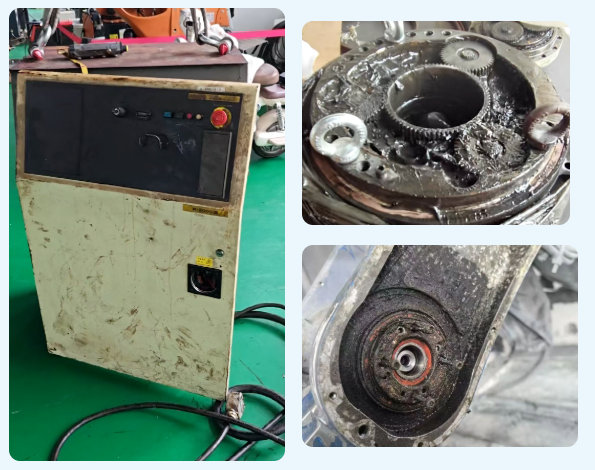
Three Maintenance Mistakes Most Factories Make
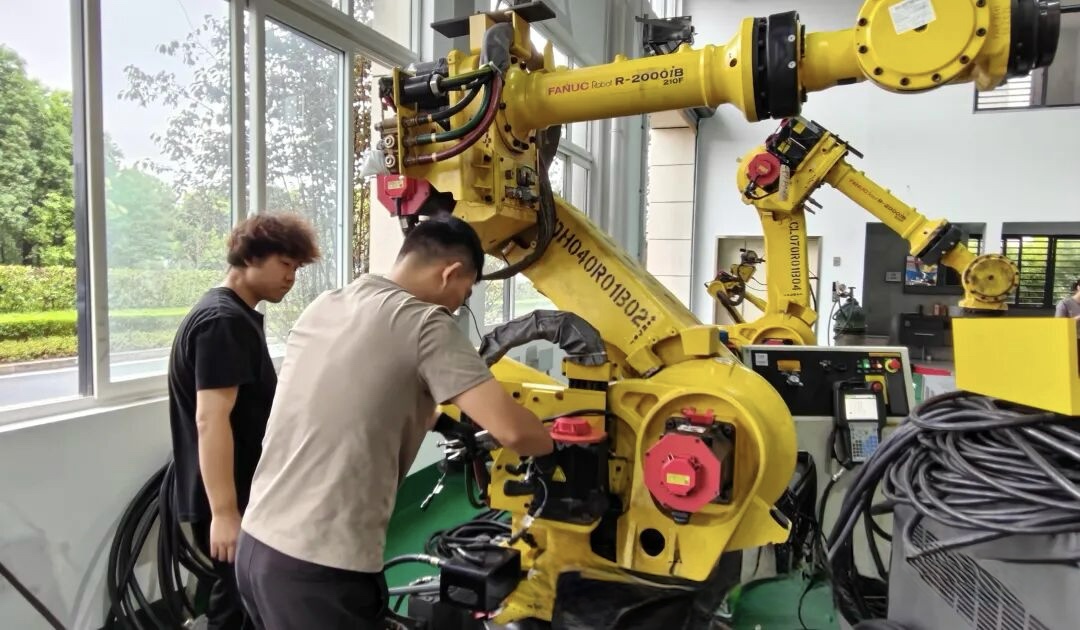
The Bottom Line
A robot's lifespan, production stability, and failure rate are 70% maintenance, 30% usage.
A standardized daily / weekly / monthly / annual maintenance workflow helps your factory:
- ✓ Cut unplanned downtime by 80%+
- ✓ Stabilize production precision and reduce rework
- ✓ Dramatically lower high-cost spare-part repair bills
- ✓ Extend total robot service life
Follow us for more industrial robot maintenance know-how, fault-troubleshooting tips, and equipment care plans.