


Palletizing Robot Applications and Selection Guide | FANCHENG
In packaging workshops across the food and beverage, fertilizer, building materials and new energy battery industries, palletizing is often one of the most labor-intensive and physically demanding tasks. As labor costs rise and production speeds increase, more manufacturers are turning to robotic palletizing.
Where can palletizing robots be used, and how do you choose the right model? FANCHENG shares practical application examples and selection considerations.
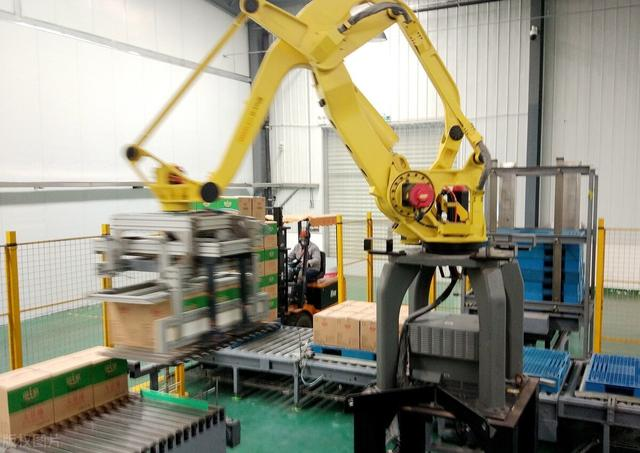
1. Which Industries Use Palletizing Robots?
The core functions of robotic palletizing are handling loads and stacking products in defined patterns. Robots can automate the palletizing of bags, cartons, drums and other packaged goods. With appropriate system design, maintenance and operating conditions, they can support round-the-clock production.
- Food and beverages: palletizing beverage cartons and bags of flour or rice.
- Grain, feed and fertilizer: stacking bagged materials on pallets. High-throughput systems can handle more than 1,000 bags per hour, depending on the product, gripper and cell design.
- Building materials and chemicals: palletizing tiles, paint drums, resin and other heavy products.
- New energy batteries, home appliances and consumer electronics: palletizing boxed finished goods for warehousing.
- Logistics and warehousing: depalletizing, sorting and preparing goods for dispatch. Cold-storage and dusty environments require suitable robot specifications and protective measures.
2. What Can Palletizing Robots Do, and What Should You Check?
Modern robotic systems do more than stack boxes. They can support picking, transfer, palletizing, depalletizing and loading. With suitable vision systems and integration, they can also handle different products and serve multiple palletizing stations.
Payload: Include the Gripper
Calculate the combined weight of the product and end-of-arm tooling, and allow an appropriate margin. Payload selection should also account for the load's center of gravity and the robot manufacturer's load limits.
Reach: Check the Entire Working Area
The robot must reach from the conveyor pickup point to every required pallet position. For a dual-pallet layout, check the span between both stations and the required stacking height. Insufficient reach limits the layout, while unnecessary reach can increase cost.
Cycle Time: Match the Packaging Line
The required number of cartons or bags per minute determines whether the palletizing system can keep up with upstream packaging. A planning range of 10–20 handling cycles per minute may be relevant for some heavy-load applications, but actual performance must be checked against the load, travel path, gripper and stacking pattern.
Pallet Patterns: Plan for Product Changeovers
For lines with frequent product changes or complex stacking patterns, check whether the control system or palletizing software supports visual pattern editing and straightforward changeovers.
3. FANCHENG Robot Model Recommendations
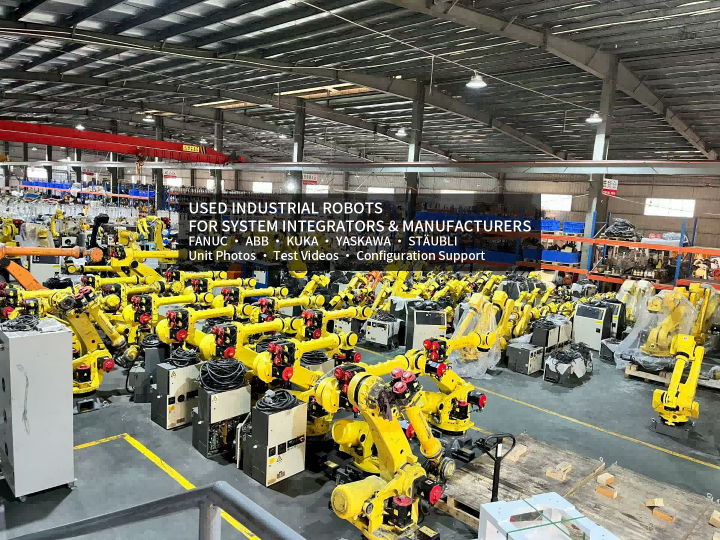
With more than 30 brands and over 10,000 used imported robots in stock, FANCHENG offers model selection for a wide range of palletizing applications. The following options are selected using FANCHENG's 12-point performance testing standard.
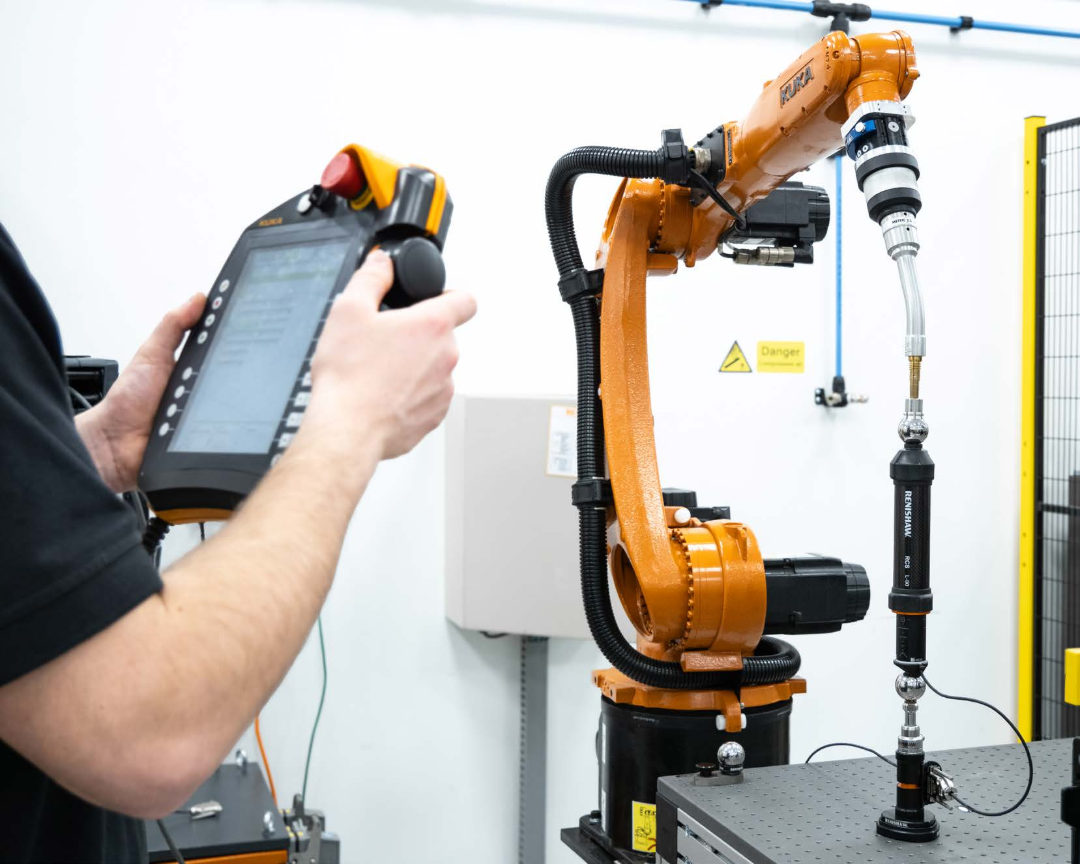
KUKA KR210R3100-C4
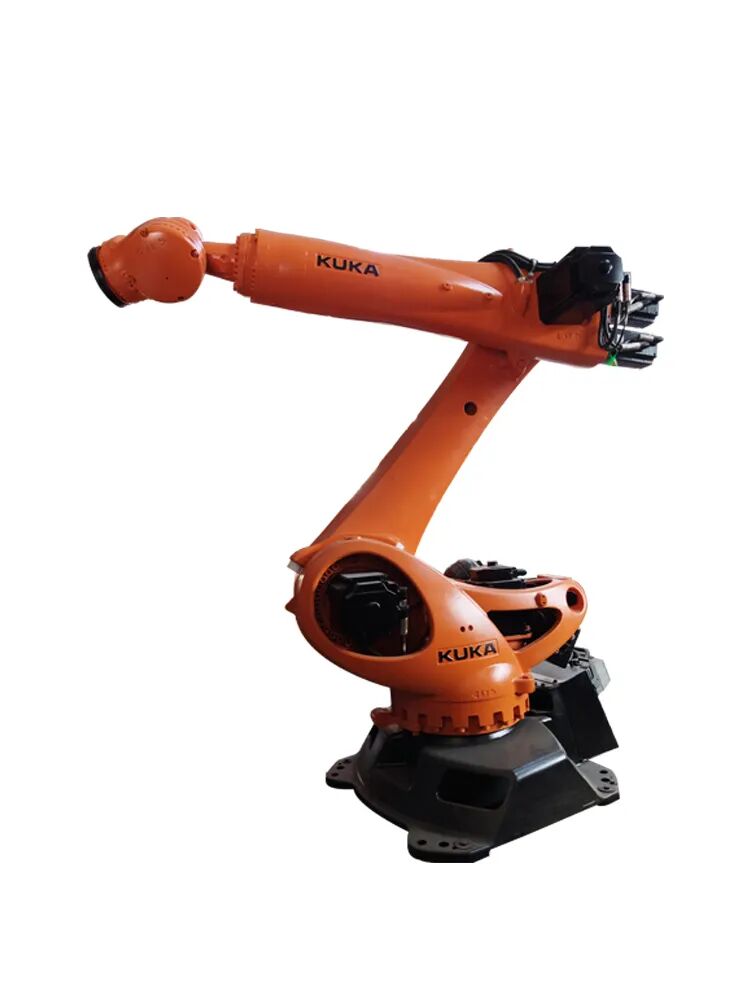
Key strengths: A long-reach KUKA option for layouts that require access to two pallet stations. Its working envelope provides flexibility for station positioning and future layout adjustments.
Typical applications: heavy bags of cement, fertilizer or plastic pellets; large packaged appliances; and chemical drums. Suitability for wide dual-station layouts and demanding cycle times should be confirmed through application assessment.
FANUC R-2000iB/210F
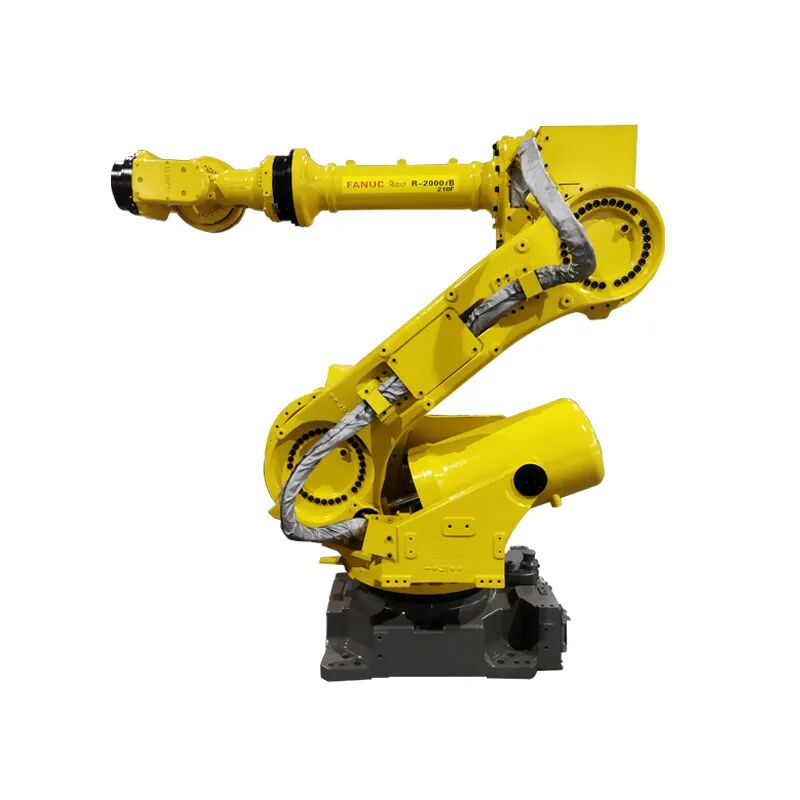
Key strengths: Described in the source material as a heavy-load handling platform for frequent, repetitive handling tasks and continuous production.
Typical applications: heavy-duty palletizing, metal containers and warehouse palletizing or depalletizing.
FANUC R-2000iB/165F
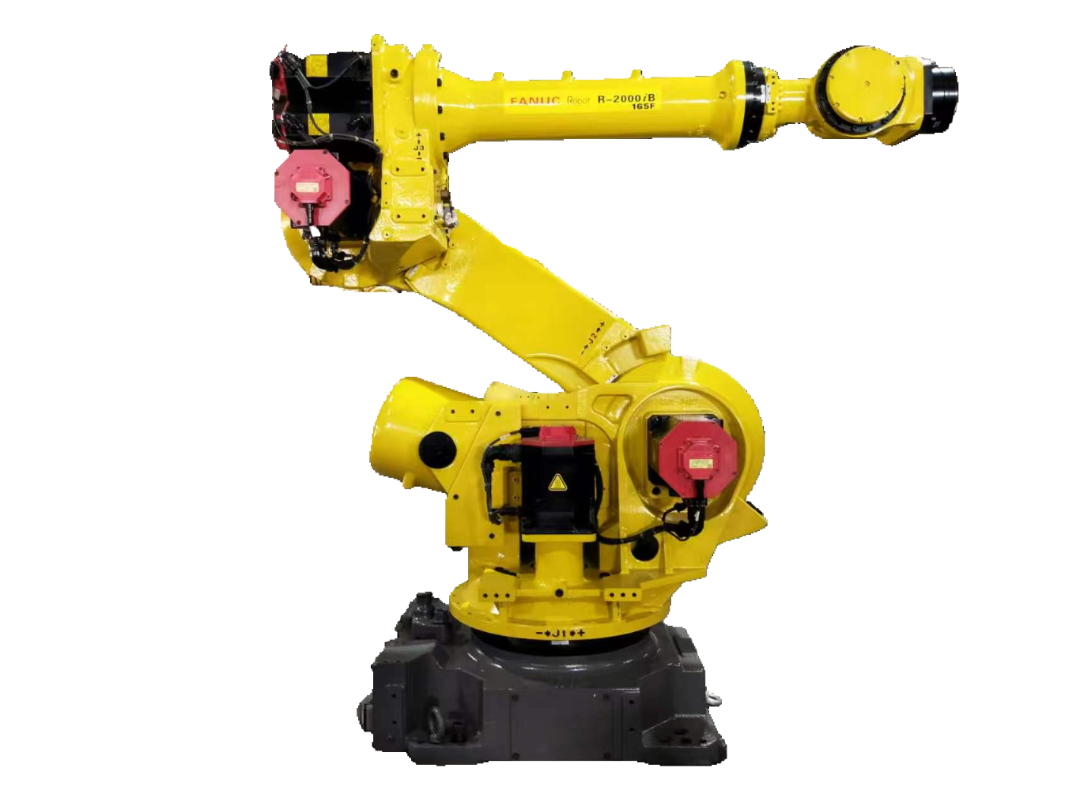
Key strengths: The R-2000 series is a widely used platform for material handling and palletizing, with established spare-parts and integration resources. Select the specific model according to payload, working envelope, wrist-load limits and installation conditions.
Typical applications: bagged chemicals, building materials, boxed products and automotive components. Check the exact model specifications before selecting a robot for a compact cell or a dual-pallet layout, and verify protection requirements for dusty or damp environments.
KUKA KR200COMP
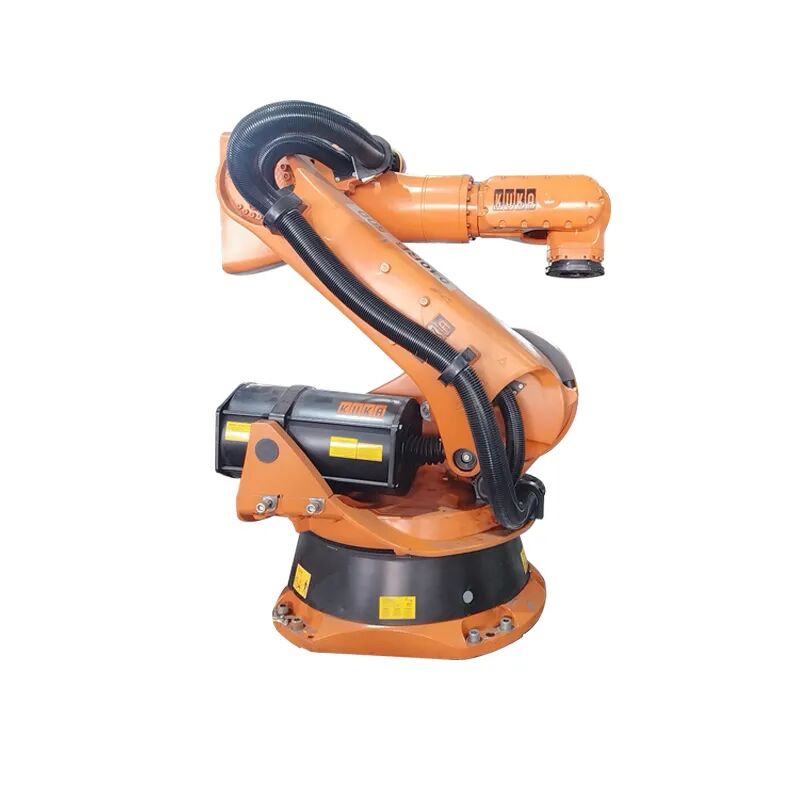
Key strengths: A compact robot option for production lines where floor space is limited, built on an established KUKA technology platform.
Typical applications: palletizing food and beverage cartons, household-product boxes and bagged materials, particularly where the available installation space is restricted but substantial payload capacity is required.
Discuss Your Palletizing Application with FANCHENG
Evaluating a palletizing automation project? Contact FANCHENG for a free model selection assessment. Share your production-line parameters and product samples so our team can recommend a suitable robot and system configuration for your operating conditions.
FANCHENG Group — Comprehensive Services for Used Industrial Robots