


FANCHENG ROBOT | Spray Painting Robots: Applications & How to Choose
Painting is quietly becoming one of the most expensive labor problems on the shop floor: experienced painters are hard to find and harder to keep, film quality depends on feel, and one unstable batch turns into customer complaints. The more manual spraying you run, the worse the numbers look. Handing painting over to a robot is less difficult than it seems. Where does it fit? How do you avoid buying the wrong model? Which FANCHENG ROBOT models are proven? This guide answers all of it, so you can skip the expensive trial and error.
01 Which industries use spray painting robots?
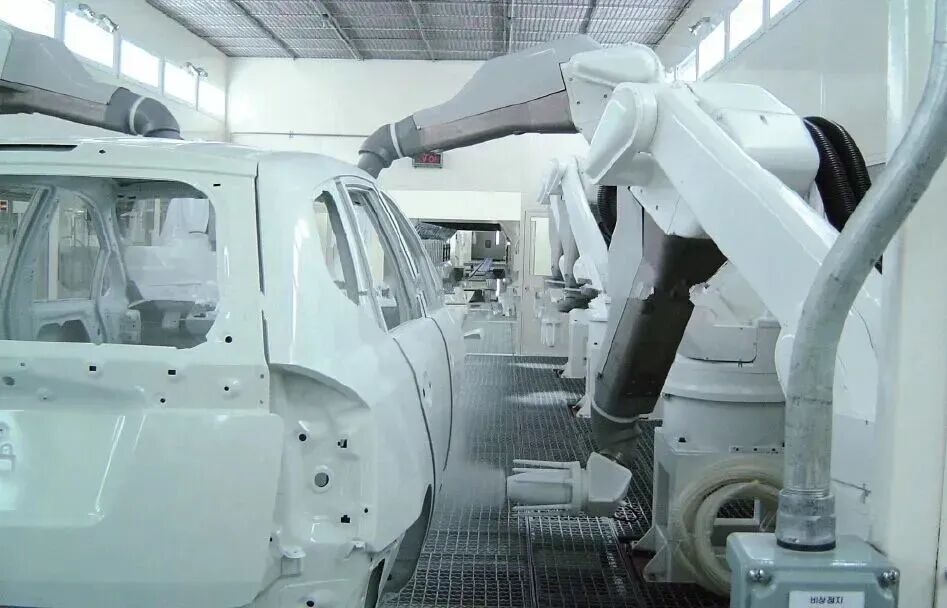
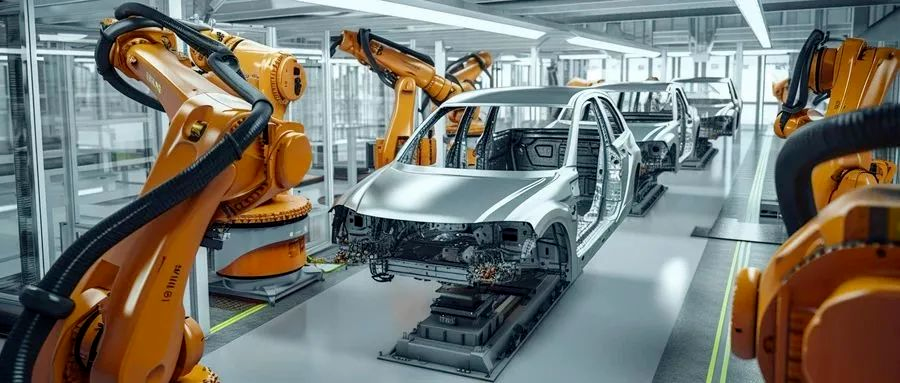
The core advantage of a spray painting robot is a constant gun attitude combined with a repeatable path: uniform film thickness, no runs or sags, no color variation between batches. Every part comes out as if it came off the same production line. Any application with high surface-finish requirements and repeating batches is a candidate. The five largest user categories:
- Automotive and components— vehicle bodies, bumpers, interior and exterior trim
- 3C electronics and home appliances— phone cases, laptops, refrigerator and air-conditioner panels
- Hardware, sanitary ware and cookware— faucets, shower heads, pots and other free-form surfaces
- Construction and agricultural machinery— cabs, hoods and other large body panels
- Wooden furniture and powder coating— primer and topcoat lines, powder coating of all types
The common thread: the working environment is full of flammable paint mist. The robot must be explosion-proof — IP67 protection, pressurized (intrinsic safety) enclosure design, ATEX certification. This is exactly what separates a true paint robot from a standard handling robot, and why the two cannot simply substitute each other.
02 Selection: think it through before you spend
Choosing the wrong paint robot wastes the whole investment. Work through these four points in order:
- Coating and process.Solvent-based, water-based or powder coating decides the explosion-proof rating and the atomizer configuration. This is a safety red line: fix the process first, then choose the robot.
- Payload and reach.Paint robots rarely need high payload — 10–25 kg is enough to carry the gun and the hoses. Reach must cover the entire workpiece surface: the 2.5 m class suits small and medium parts, while 2.8 m and above suits large ones.
- Path accuracy and paint control.Uniform film thickness depends on a stable path; complex curved surfaces need full 6-axis coordination to hold gun distance and angle. For lines with frequent changeovers, prefer models with highly integrated paint control and multi-gun switching.
- Mounting and layout.Floor, wall, ceiling and elevated mounting each suit different booth designs, directly affecting booth size and floor space. Plan them together with reciprocators, turntables and line takt time.
03 What does a complete painting automation system include?
Many customers assume one robot is enough. A complete painting automation system normally consists of:
- Paint robot and controller — the brain and the arm of the system
- Explosion-proof gun and atomizer — must match the coating process
- Paint supply system and pressure regulation — for continuous, stable material feed
- Reciprocator / turntable — presenting the workpiece to the spray fan at the best angle
- Booth ventilation and VOCs treatment — the hard constraint of environmental compliance
- Safety fencing and interlocks — to the safety standard of explosion-proof zones
- Color-change and flushing system — fast changeover on multi-color lines
- PLC cell control — linking the conveyor line with line takt
04 FANCHENG ROBOT recommended painting models
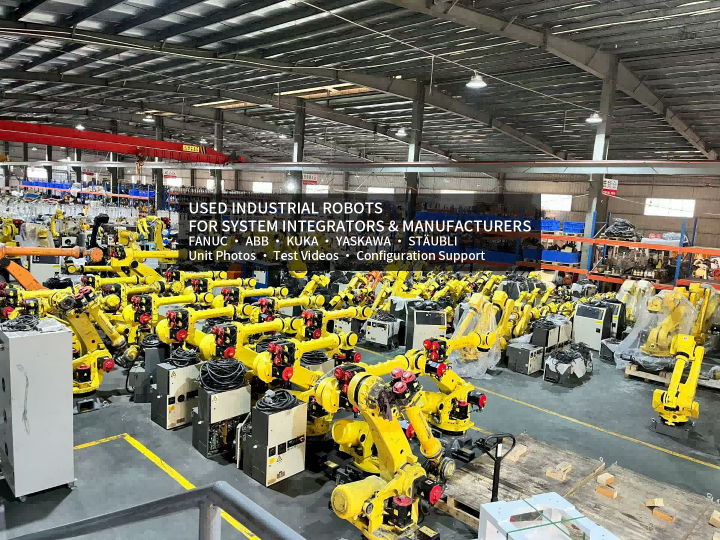
The biggest fear when buying a painting robot is equipment with an unclear source and unknown condition. FANCHENG ROBOT screens every unit from 30+ imported brands and over 10,000 used robots in group stock: each robot is powered on and run before dispatch, with full-load and accuracy testing, and we send you the testing video, photos, the nameplate details of the unit you will receive, and photos of the packing. Six proven painting models:
ABB IRB 5400-22
- Highlights:6-axis painting robot, 25 kg wrist payload, approx. 2,829 mm reach, IP67 protection with explosion-proof design — purpose-built for paint shops
- Typical applications:automotive components, motorcycles, home appliances — medium and large parts
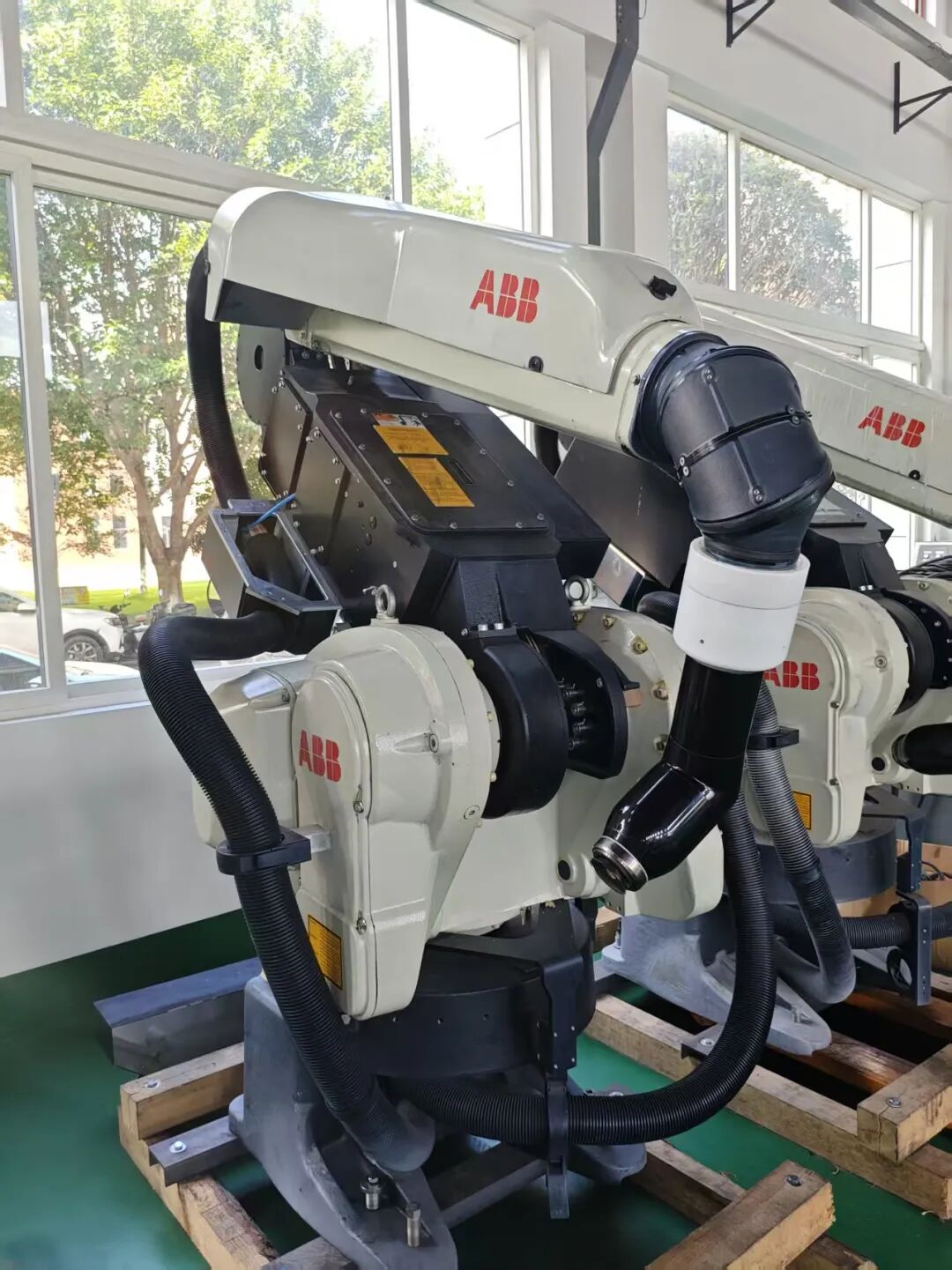
YASKAWA EPX2700E
- Highlights:dedicated paint robot, 2,700 mm reach, 10 kg payload, explosion-proof construction, with highly integrated paint control (multi-gun switching, online process parameter setting)
- Typical applications:hardware, sanitary ware, 3C enclosures — flexible painting of small and medium parts
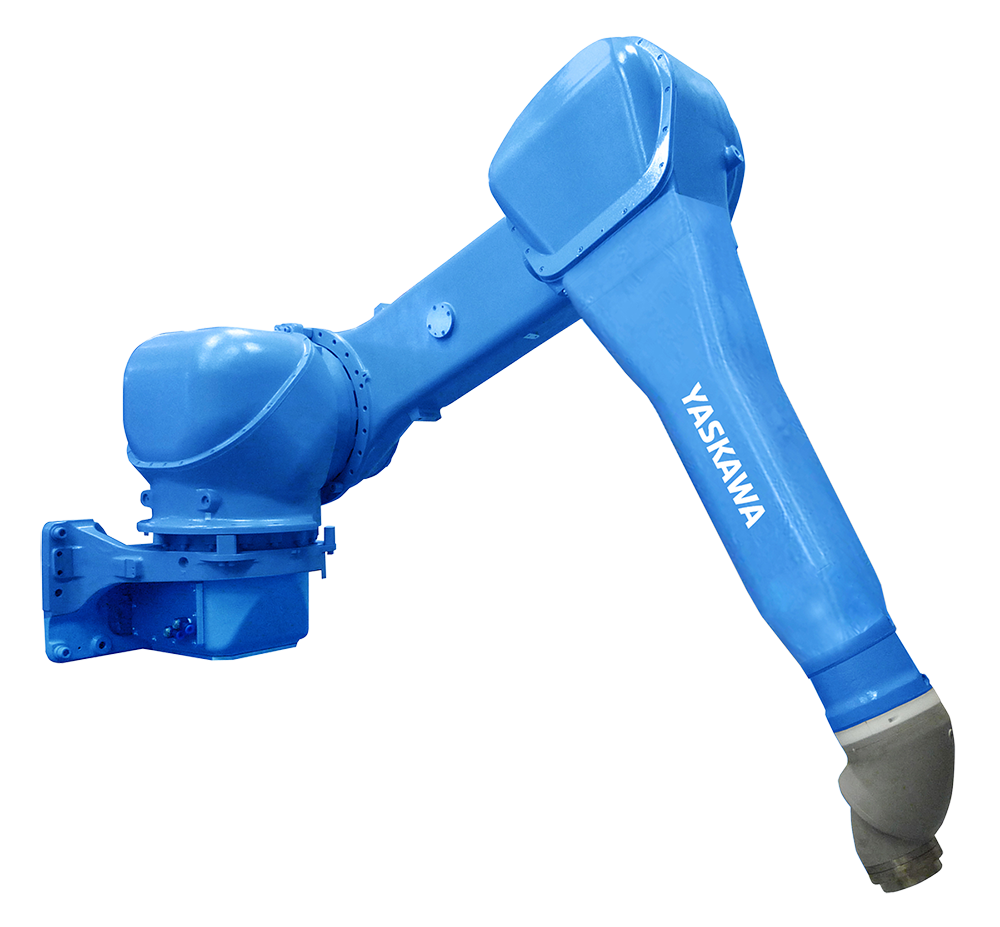
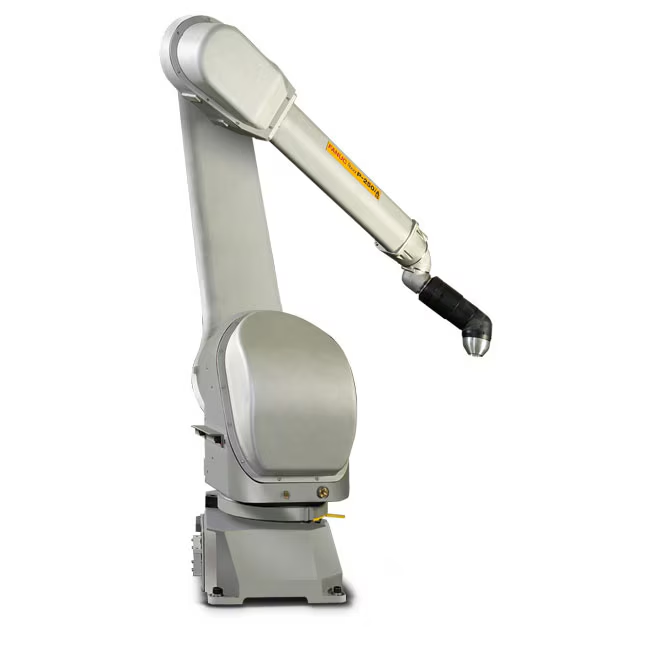
FANUC P-250iB/15
- Highlights:15 kg payload, 2,800 mm reach, pressurized explosion-proof design, ATEX certified for Zone 1 hazardous areas, supports multiple mounting options
- Typical applications:large workpieces and complex line layouts
05 The bottom line
In the end, buying a painting robot is not buying one machine — it is buying a production line that delivers no rework, no dependence on scarce labor, and no missed delivery dates. Rework rate comes down, paint consumption comes down, schedules stay stable, and the environmental inspection gets passed. Only then does the investment truly pay off.
Planning a painting line? Bring us your workpiece dimensions, coating process and takt time — FANCHENG ROBOT will match the right model and the complete solution for you.